


What to Wear and How to Prepare for the Acatenango Volcano Hike
- Pachamana Tours
- Jul 29, 2025
- 2 min read
Updated: Aug 12, 2025
Hiking Acatenango Volcano is an unforgettable adventure, but its high altitude and rapidly changing weather demand proper preparation—especially when it comes to what to wear on Acatenango. Knowing how to layer your clothing and choose the right gear can make the difference between a challenging struggle and an enjoyable experience. From clothing essentials to training tips, this guide covers everything you need to confidently tackle one of Guatemala’s most iconic peaks.
Acatenango Altitude – Why Proper Gear Matters
At nearly 4,000 meters (3,976 meters / 13,045 feet) above sea level, Acatenango’s altitude presents unique challenges. The air is thinner, temperatures drop sharply, and weather can change fast. Having the right clothing and gear is essential to staying warm, comfortable, and safe throughout your hike.
What to Wear Hiking Acatenango?
To tackle the fluctuating temperatures, dress in layers:
Base layer: Moisture-wicking shirts to keep sweat off your skin.
Insulating layer: Fleece or down jacket to trap heat.
Outer layer: Waterproof and windproof shell to protect against rain and wind.
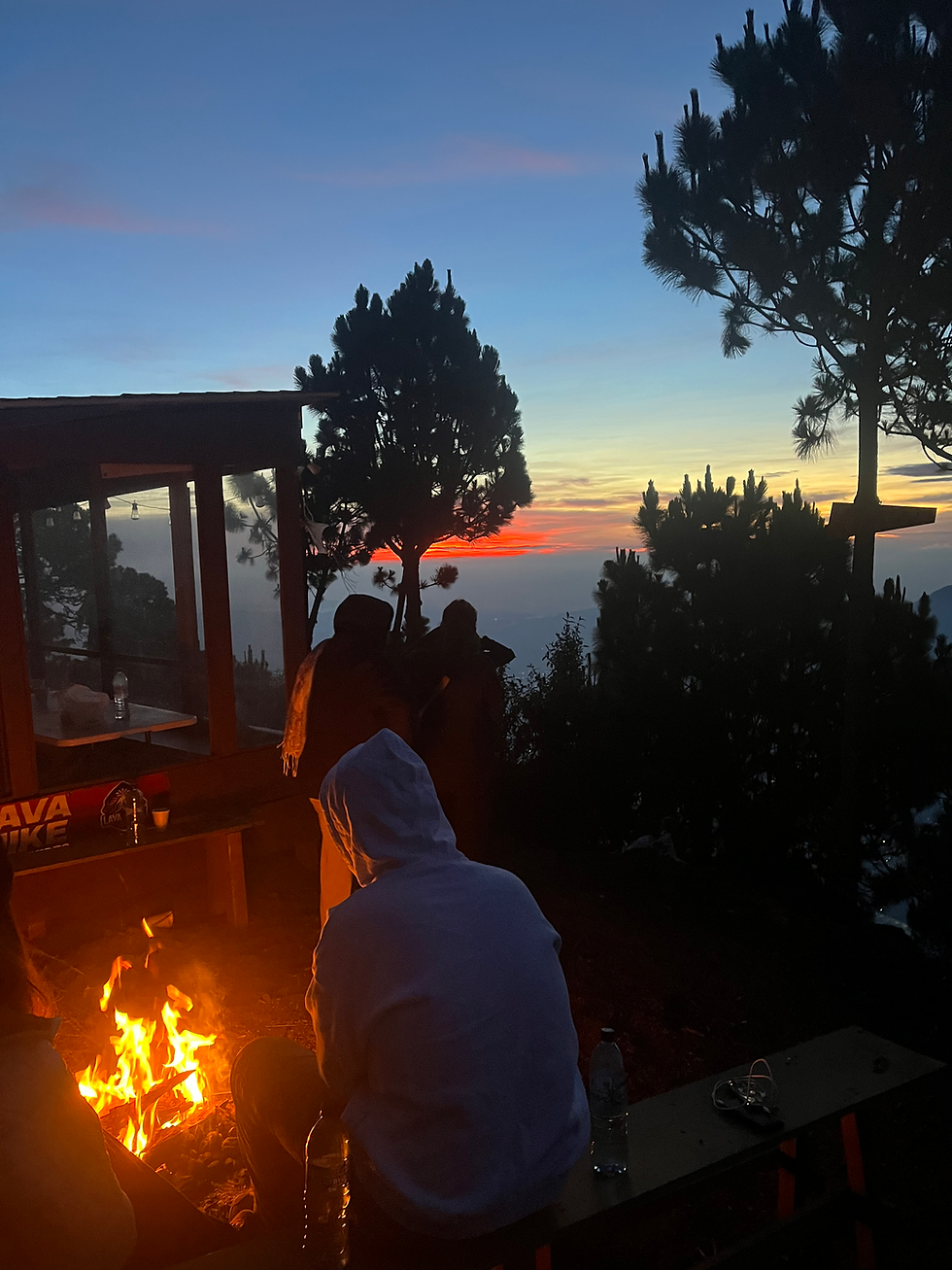
During the day, lightweight layers work well, but at night — especially near the summit — temperatures can drop below freezing. Don’t forget gloves, a warm hat, and thermal socks!
Footwear and Gear Essentials
Good hiking boots with ankle support are a must to navigate rocky, uneven trails. Consider bringing:
Trekking poles to ease strain on your knees.
A sturdy backpack with water, snacks, and extra clothing.
Headlamp or flashlight for night hikes.
Pachamama Tours includes trekking poles, a headlamp and extra layers as part of their adventures.
Training Tips to Conquer the Altitude
Physical preparation helps you enjoy the hike and reduces altitude sickness risks:
Start with cardio exercises like running, cycling, or swimming to build endurance.
Practice hill or stair climbing to simulate uphill trekking.
Incorporate strength training focusing on legs and core.
If possible, do some hikes at increasing elevations to acclimate.
Remember to pace yourself during the hike, stay hydrated, and listen to your body. Most guides will keep a pace that is manageable for everyone in your group, but if you need to rest, just let them know.


Comments